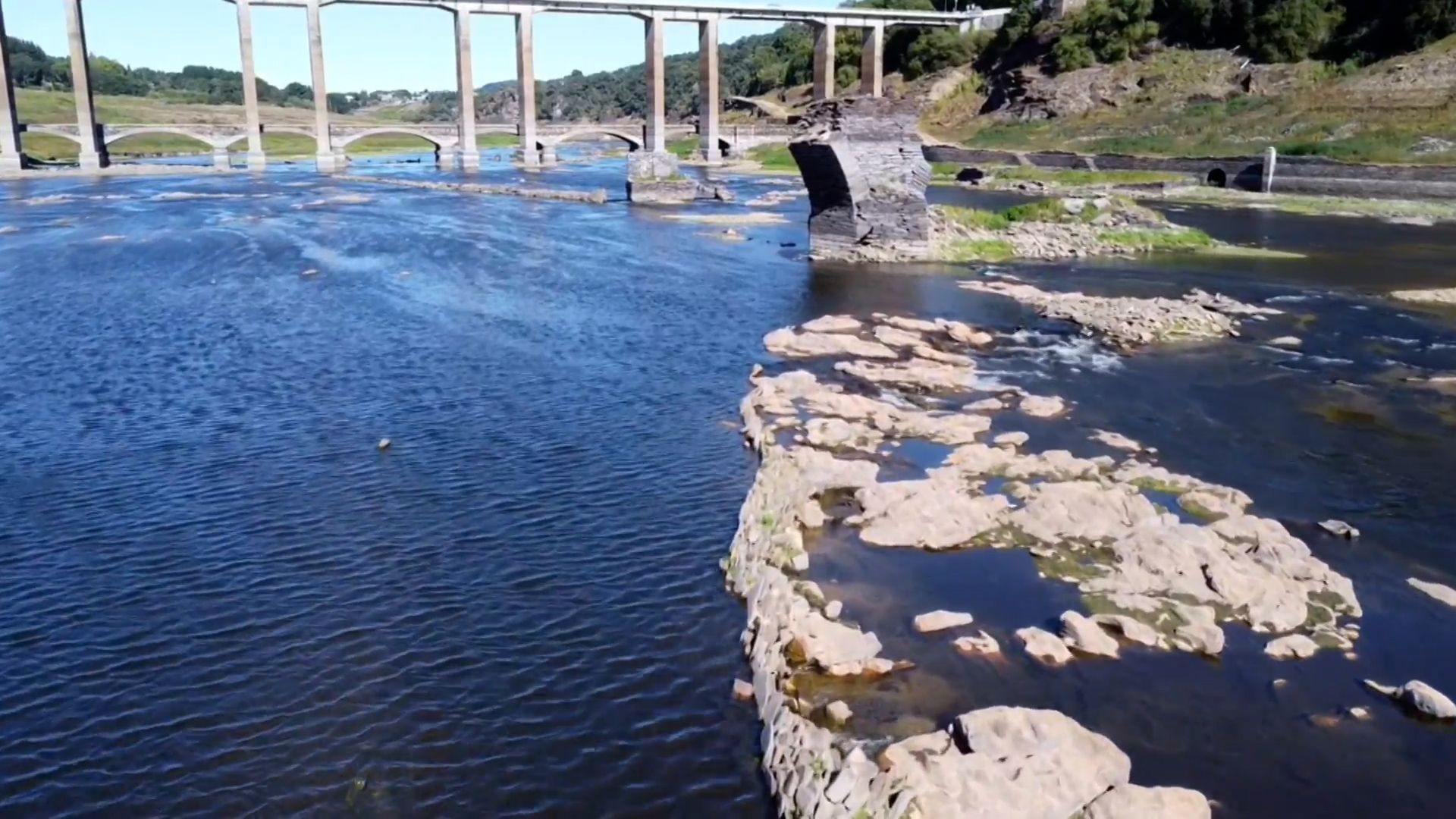
Prolonged rains that have hit Spain over the past ten days have led to a significant increase in water levels in the country's reservoirs. For the first time in a long time, some reservoirs approached maximum occupancy, which required controlled water discharges. This increase in water resources is seen as a positive factor after years of rainfall shortages and periods of drought that threatened agriculture, industry, and public water supply.
The largest increase in reserves was recorded in the central part of the country, in the basins of the largest rivers — the Tagus, Guadalquivir and Segura. One of the most striking examples was the Alcorlo reservoir, located in the province of Guadalajara, which filled 95% and required water discharge for the first time in its history. This became a landmark event, considering that just a few years ago the water level in it reached a critical minimum.
According to the water management services, the total increase in the Tagus River basin was 325 gm3, with the two largest reservoirs in the region, Valdecanas and Alcantara, receiving an additional 317 gm3 of water. In the Guadiana River basin, reserves increased by 245 gm3, exceeding the average over the past decade. The Guadalquivir reservoirs were replenished by 208 gm3, and the Mediterranean Andalusian basin increased its reserves from 30.2% to 38.6%, which in absolute terms is an increase of 99 gm3.
An increase in water levels was also recorded in the reservoirs of the Mediterranean region. In particular, the Hukar reservoir received an additional 81 gm3, and Segura – 37 gm3. In Catalonia, the inland basins showed a small but steady growth of 5 gm3, which is also a positive signal for the region, which often experiences problems with water supply.
Experts note that such a significant increase in water reserves can have a positive impact on the agricultural sector, which has suffered from a lack of moisture in recent years. In particular, farms in Andalusia, Valencia and Murcia will be able to count on an improvement in the irrigation water situation, which will lead to a stabilization of yields and a reduction in risks to the agro-industrial complex.
However, despite such positive changes, experts warn that the situation requires further monitoring. A sharp increase in the volume of water in reservoirs may lead to the need for further discharges, which, in turn, may affect low-lying areas located along large rivers. Authorities and meteorologists continue to monitor weather conditions, as forecasts indicate a possible continuation of rainy weather in the coming weeks.
Thus, the current increase in water reserves is seen as a significant improvement in the hydrological situation in the country. In the long term, it can help Spain to deal more effectively with the effects of climate change and reduce its dependence on artificial water supply measures.